

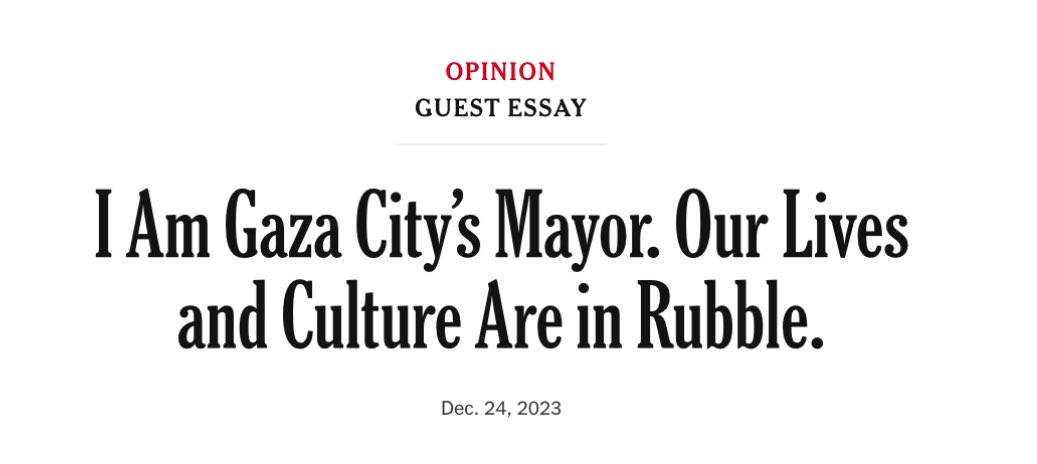

The statement criticizes The New York Times for publishing an opinion piece by an individual associated with Hamas, questioning the newspaper's ethical judgment in light of Hamas's designation as a terrorist organization by the United States and its involvement in violent acts.
- The statement implies harm by association, suggesting that providing a platform to a politician appointed by Hamas is inherently shameful due to the group's actions. However, it does not directly incite harm. [-1]Principle 1:I will strive to do no harm with my words and actions.
- The statement respects the privacy and dignity of others by not targeting individuals but rather addressing the actions of an organization and a media outlet. [+1]Principle 2:I will respect the privacy and dignity of others and will not engage in cyberbullying, harassment, or hate speech.
- The statement lacks a tone of empathy and compassion, focusing instead on condemnation without engaging in a nuanced discussion of the complexities involved in media platforms giving voice to various perspectives. [-1]Principle 4:I will engage in constructive criticism and dialogue with those in disagreement and will not engage in personal attacks or ad hominem arguments.
- The statement calls for accountability from The New York Times, which is a form of seeking to correct what the author perceives as a mistake. [+1]Principle 6:I will use my influence for the betterment of society.
- The statement challenges The New York Times' use of its platform, suggesting that it has not acted with integrity in this instance. [-1]Principle 7:I will uphold the principles of free speech and use my platform responsibly and with integrity.