
Dr Aseem Malhotra
@DrAseemMalhotra
·
577d
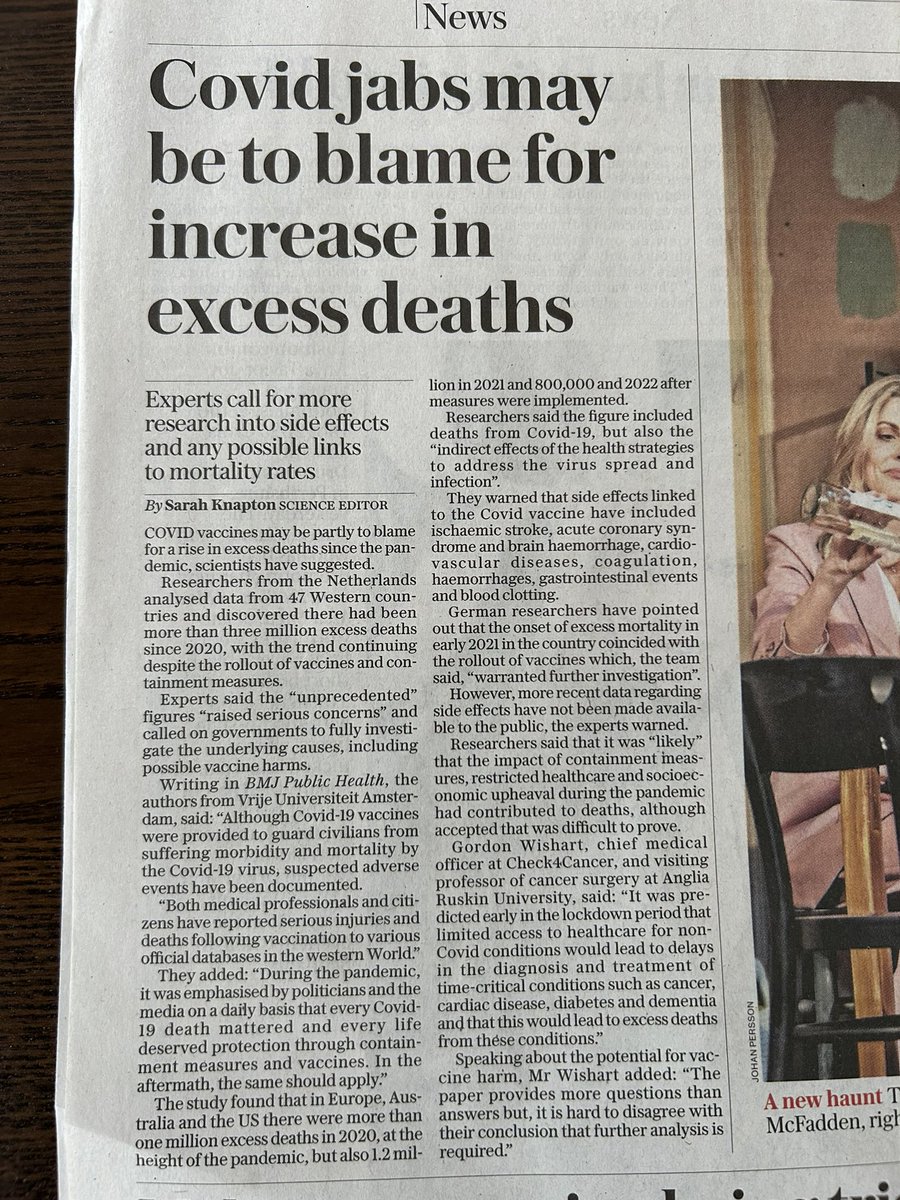

The statement and the accompanying conversation touch on a sensitive and controversial topic regarding the potential side effects of COVID-19 vaccines and their link to excess deaths. The tone of the statement suggests a sense of vindication and anticipation of apologies for those who were previously censored for expressing similar views. The content implies a critique of past censorship and a call for acknowledgment of potential vaccine-related issues.
- The statement could potentially cause harm by reigniting debates and possibly spreading fear or misinformation about vaccines. However, it also calls for accountability and transparency, which can be seen as a positive aspect. [-1]Principle 1:I will strive to do no harm with my words and actions.
- The statement respects the privacy of individuals but indirectly engages in a form of cyberbullying by suggesting that those who censored dissenting voices were wrong. This could be seen as a form of harassment. [-1]Principle 2:I will respect the privacy and dignity of others and will not engage in cyberbullying, harassment, or hate speech.
- The statement does not promote understanding, empathy, or compassion. Instead, it takes a confrontational tone, which may polarize opinions further. [-2]Principle 3:I will use my words and actions to promote understanding, empathy, and compassion.
- The statement does not engage in constructive criticism or dialogue. It takes a stance of vindication rather than fostering a productive conversation about the issue. [-2]Principle 4:I will engage in constructive criticism and dialogue with those in disagreement and will not engage in personal attacks or ad hominem arguments.
- The statement uses its platform to highlight a significant public health issue, which can be seen as a responsible use of influence. However, the confrontational tone may undermine this positive aspect. [+1]Principle 6:I will use my influence for the betterment of society.