
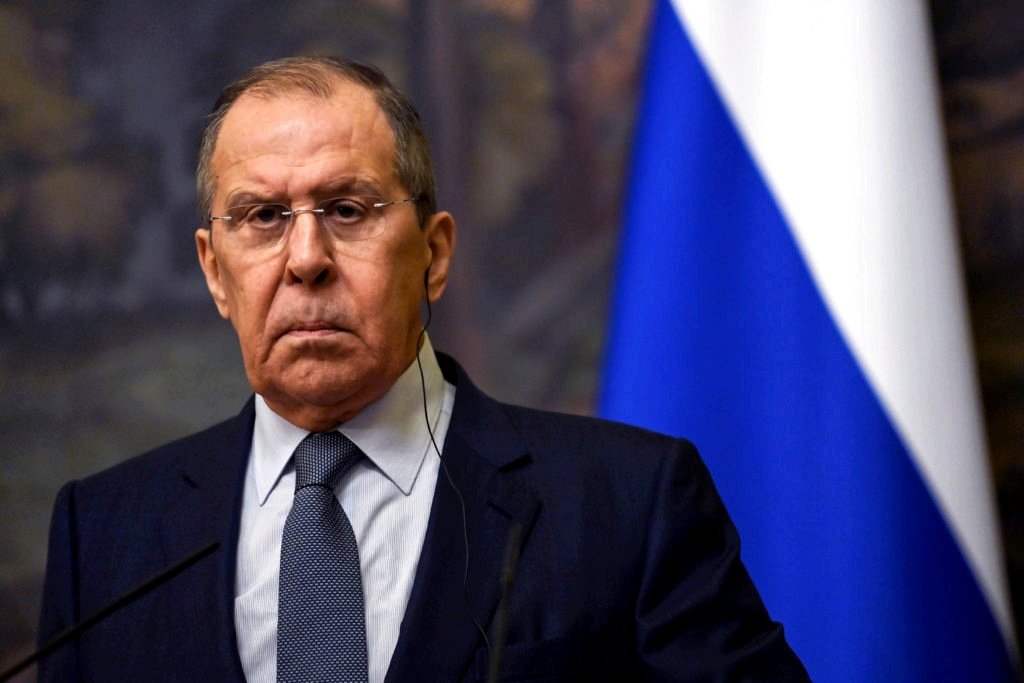

The statement and the conversation it refers to engage in public discourse by addressing a significant international conflict and attributing responsibility for a violent incident. The tone is accusatory and escalatory, with a strong emphasis on blame and a call to action to end the war. The image included appears to be of a public figure, likely a government official, which adds to the gravity of the discourse.
- The statement does not strive to do no harm; it escalates tensions by using strong accusatory language and attributing blame without providing evidence. [-2]Principle 1:I will strive to do no harm with my words and actions.
- The statement does not respect the privacy and dignity of others; it engages in a form of public shaming and blame. [-2]Principle 2:I will respect the privacy and dignity of others and will not engage in cyberbullying, harassment, or hate speech.
- The statement does not promote understanding, empathy, or compassion; it is divisive and inflammatory. [-2]Principle 3:I will use my words and actions to promote understanding, empathy, and compassion.
- The statement does not engage in constructive criticism or dialogue; it uses accusatory language and does not offer a path to resolution. [-2]Principle 4:I will engage in constructive criticism and dialogue with those in disagreement and will not engage in personal attacks or ad hominem arguments.
- The statement uses influence to escalate conflict rather than for the betterment of society. [-2]Principle 6:I will use my influence for the betterment of society.
- The statement upholds the principle of free speech but does not use the platform responsibly or with integrity, as it escalates conflict and spreads blame. [-2]Principle 7:I will uphold the principles of free speech and use my platform responsibly and with integrity.