
Reposted by Dr. Jill Stein🌻
Jill Filipovic
@JillFilipovic
·
514d

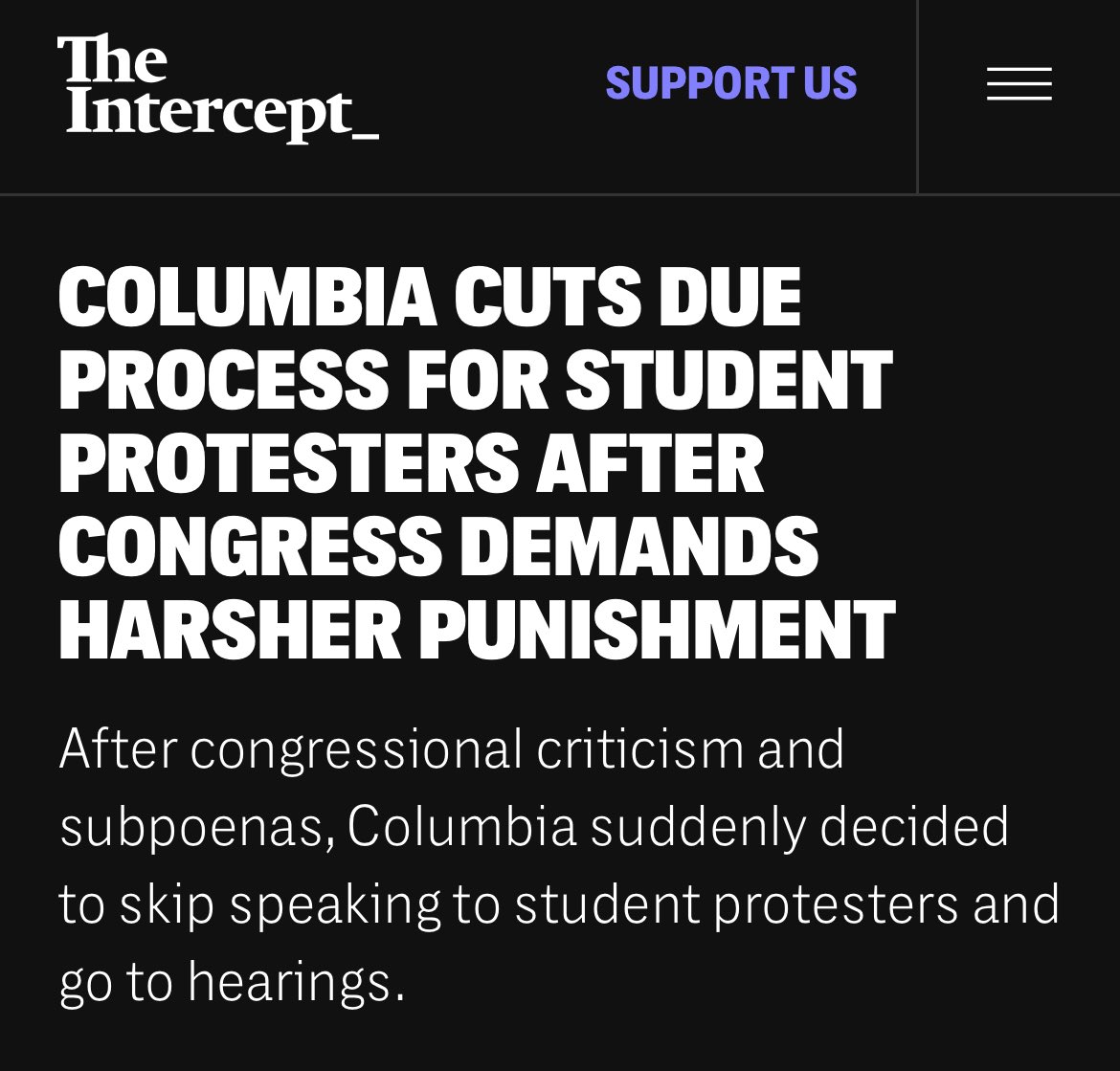
The statement and accompanying image engage in public discourse by addressing issues related to student protests, university policies, and broader political and social implications. The tone is critical and accusatory, suggesting that Columbia University has taken authoritarian measures against student protesters and has redefined anti-Zionism as antisemitism. The statement also criticizes a perceived liberal response to these actions.
- The statement does not strive to do no harm, as it uses accusatory and inflammatory language, which could escalate tensions rather than promote constructive dialogue. (-2 points) [-2]Principle 1:I will strive to do no harm with my words and actions.
- The statement does not respect the privacy and dignity of others, as it makes broad and potentially harmful generalizations about Zionists and the university administration. (-2 points) [-2]Principle 2:I will respect the privacy and dignity of others and will not engage in cyberbullying, harassment, or hate speech.
- The statement does not promote understanding, empathy, or compassion, as it is primarily focused on criticizing and blaming rather than fostering a constructive conversation. (-2 points) [-2]Principle 3:I will use my words and actions to promote understanding, empathy, and compassion.
- The statement does not engage in constructive criticism or dialogue, as it uses a confrontational tone and does not offer solutions or engage with opposing viewpoints in a respectful manner. (-2 points) [-2]Principle 4:I will engage in constructive criticism and dialogue with those in disagreement and will not engage in personal attacks or ad hominem arguments.
- The statement uses its platform to raise awareness about perceived injustices, which can be seen as an attempt to use influence for the betterment of society. However, the confrontational tone undermines this effort. (+1 point) [+1]Principle 6:I will use my influence for the betterment of society.