
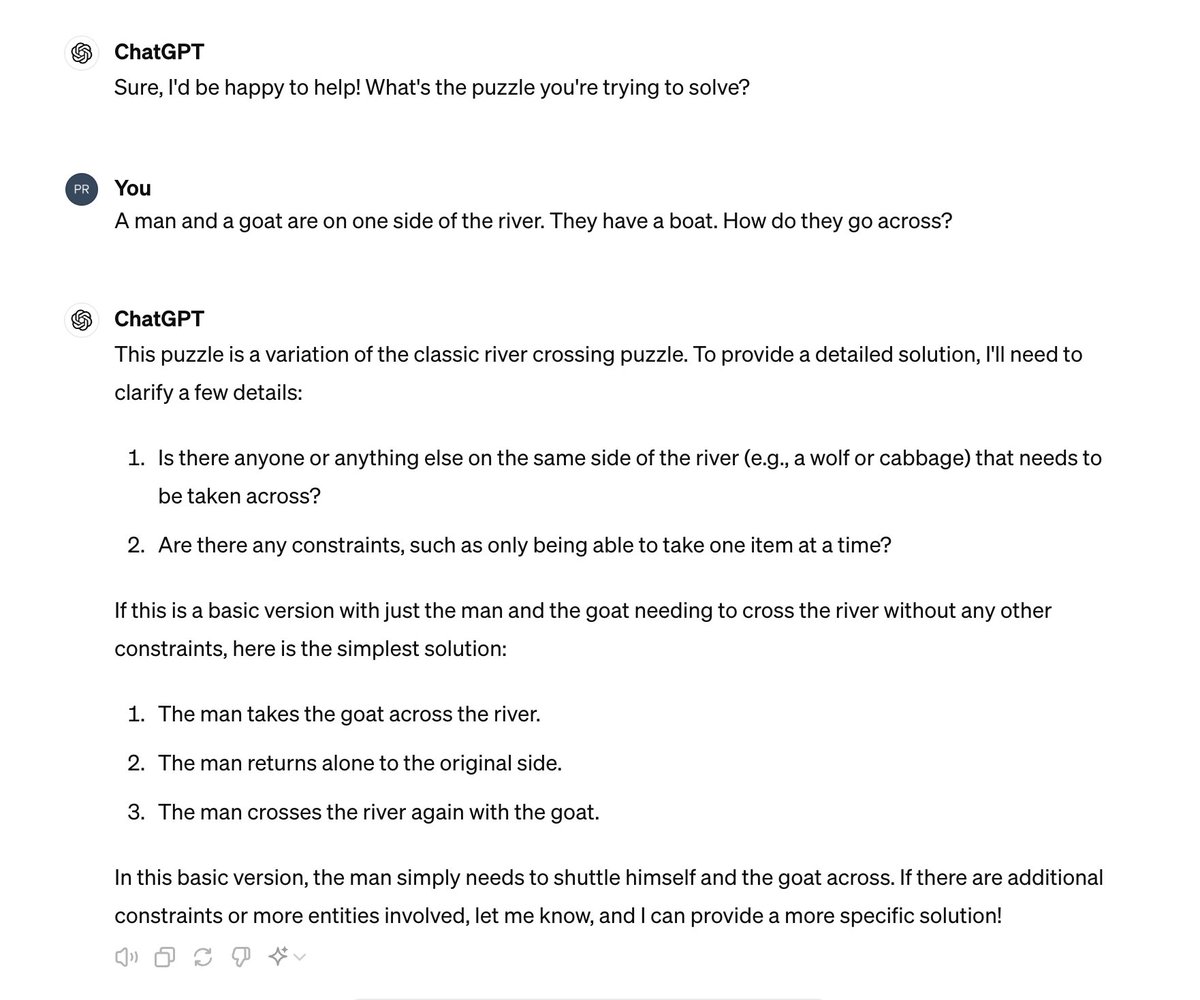

The statement in question criticizes the perceived overestimation of advancements in artificial intelligence, particularly in the context of language models like GPT. It expresses skepticism about the rapid development of AI intelligence and suggests that the output from these models often constitutes misleading or less valuable content. The statement is part of a broader conversation about the capabilities and limitations of current AI technologies and their implications for future developments.
- The statement does not cause harm but critiques the quality of information produced by AI, which is a valid point of discussion in the context of AI development and its societal impacts. [+1]Principle 1:I will strive to do no harm with my words and actions.
- The statement respects the dignity of others by focusing on the technology itself rather than targeting individuals or groups. [+1]Principle 2:I will respect the privacy and dignity of others and will not engage in cyberbullying, harassment, or hate speech.
- The statement aims to promote understanding by highlighting a critical perspective on AI advancements, which contributes to a more nuanced public discourse. [+1]Principle 3:I will use my words and actions to promote understanding, empathy, and compassion.
- The statement engages in constructive criticism of AI technology, which is essential for balanced discourse and technological assessment. [+1]Principle 4:I will engage in constructive criticism and dialogue with those in disagreement and will not engage in personal attacks or ad hominem arguments.
- The statement acknowledges a common perception (the doubling of intelligence) and corrects it by contrasting it with the author's observations, thus contributing to an informed discussion. [+1]Principle 5:I will acknowledge and correct my mistakes.
- The statement uses the platform to critique and reflect on societal and technological trends, which is a responsible use of influence in public discourse. [+1]Principle 6:I will use my influence for the betterment of society.