

In reply to:
Nektarios Kalogridis
@NektariosAI
·
616d
Gary Marcus
@GaryMarcus
·
616d
Michael Mindrum, MD
@MichaelMindrum
·
617d
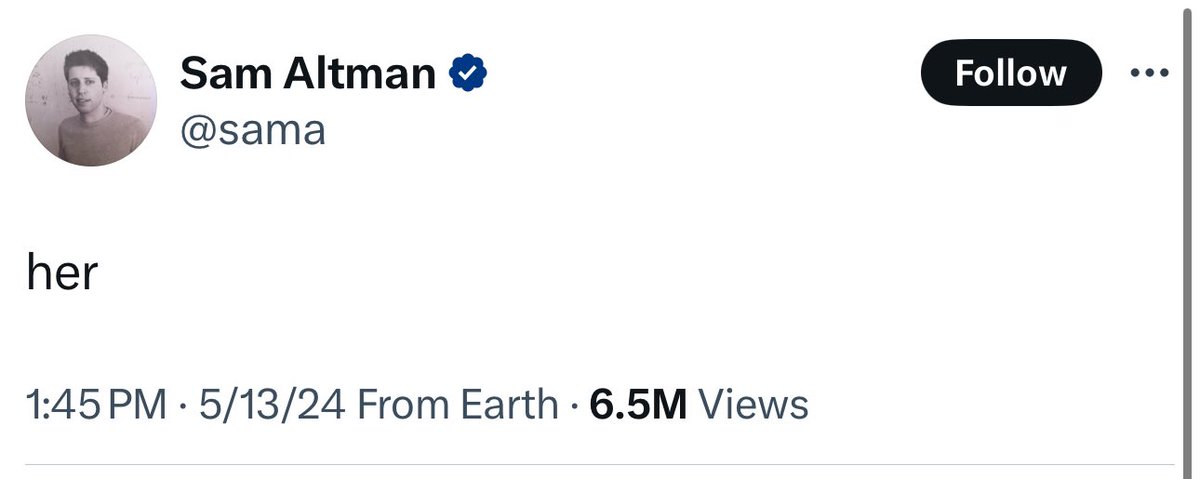
The statement and the surrounding conversation constitute public discourse as they engage with issues related to AI ethics, intellectual property, and the rights of individuals in the context of AI-generated content. The discussion involves multiple parties and addresses the controversy over the use of a voice that allegedly resembles that of a well-known actress without her consent.
- The statement and the conversation do not appear to cause direct harm but do involve accusations and criticisms that could potentially harm reputations if not handled carefully. [-1]Principle 1:I will strive to do no harm with my words and actions.
- The conversation respects the privacy and dignity of the actress by discussing the issue in a public forum without resorting to personal attacks or harassment. However, the initial use of a voice resembling hers without consent could be seen as a violation of her privacy and dignity. [-1]Principle 2:I will respect the privacy and dignity of others and will not engage in cyberbullying, harassment, or hate speech.
- The conversation promotes understanding and empathy by highlighting the concerns of the actress and the ethical implications of using AI-generated content that resembles real individuals without their consent. [+2]Principle 3:I will use my words and actions to promote understanding, empathy, and compassion.
- The dialogue involves constructive criticism and does not engage in personal attacks. The participants discuss the issue and its implications rather than attacking individuals personally. [+1]Principle 4:I will engage in constructive criticism and dialogue with those in disagreement and will not engage in personal attacks or ad hominem arguments.
- The conversation uses the platform to address significant societal issues related to AI ethics and the protection of individual rights, contributing to the betterment of society by raising awareness and prompting discussions on these topics. [+2]Principle 6:I will use my influence for the betterment of society.