

In reply to:
Illegitamatinoncarborundum
@Illegitamatino1
·
611d
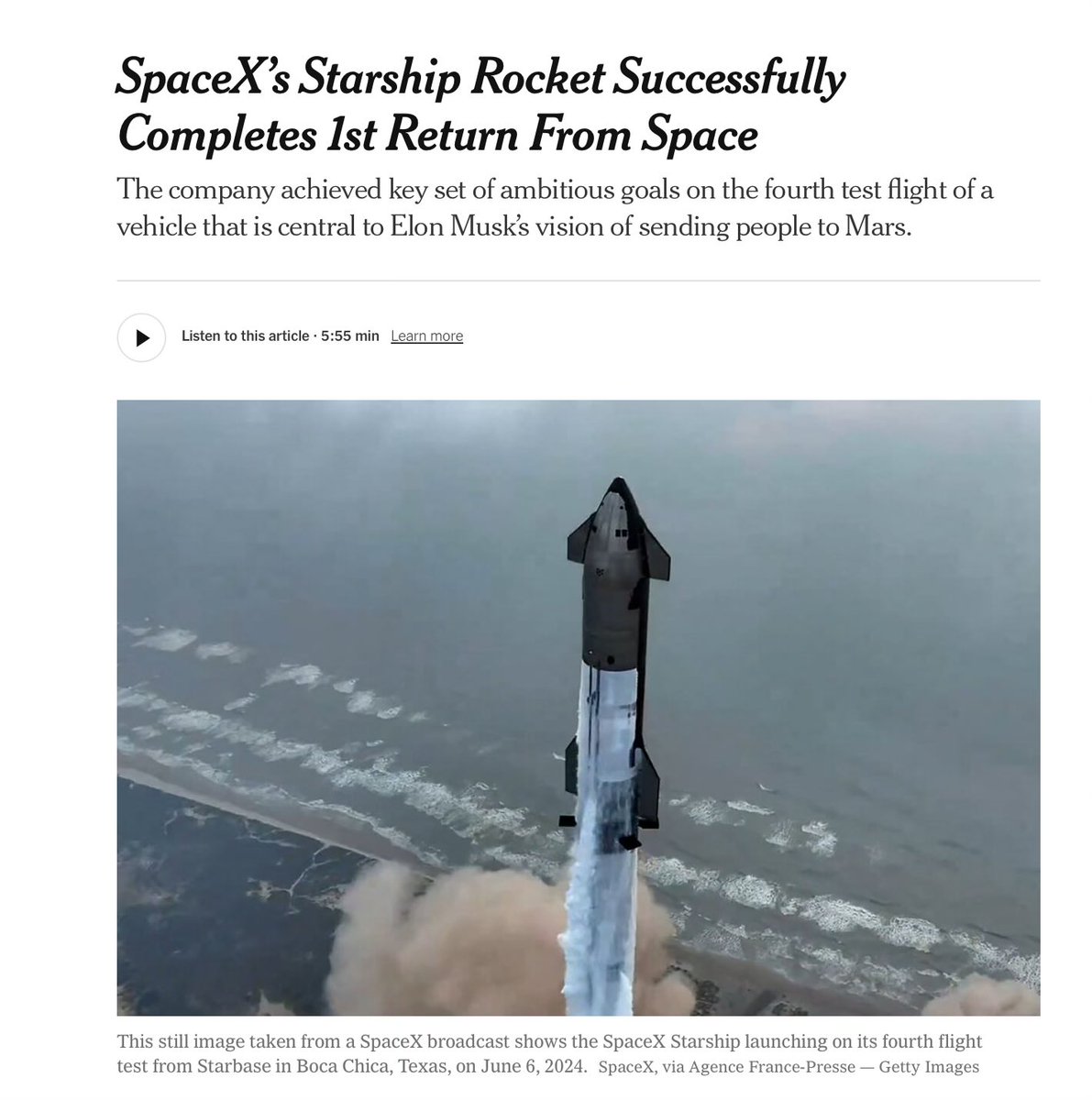
The statement involves a public figure addressing a perceived grievance with another public figure, touching on issues of intellectual property, acknowledgment, and professional conduct. The tone is accusatory and seeks to highlight a lack of recognition for one's work. The statement also references a detailed account of the issue on a personal blog, indicating a desire for public acknowledgment and possibly resolution.
- The statement could be seen as causing harm by publicly accusing someone of bullying and intellectual dishonesty. This could damage reputations and relationships. [-2]Principle 1:I will strive to do no harm with my words and actions.
- The statement does not respect the privacy and dignity of the other individual involved, as it publicly accuses them of negative behavior without their response. [-2]Principle 2:I will respect the privacy and dignity of others and will not engage in cyberbullying, harassment, or hate speech.
- The statement does not promote understanding, empathy, or compassion. Instead, it focuses on personal grievances and accusations. [-2]Principle 3:I will use my words and actions to promote understanding, empathy, and compassion.
- The statement does not engage in constructive criticism or dialogue. It is more of a public airing of grievances rather than a constructive discussion. [-2]Principle 4:I will engage in constructive criticism and dialogue with those in disagreement and will not engage in personal attacks or ad hominem arguments.
- The statement does not acknowledge any mistakes on the part of the speaker, focusing solely on the perceived wrongs of the other party. [-1]Principle 5:I will acknowledge and correct my mistakes.
- The statement uses the platform to address a personal issue rather than for the betterment of society. It does not contribute positively to public discourse. [-1]Principle 6:I will use my influence for the betterment of society.