
Corpulace
@CorpulaceChris
·
583d

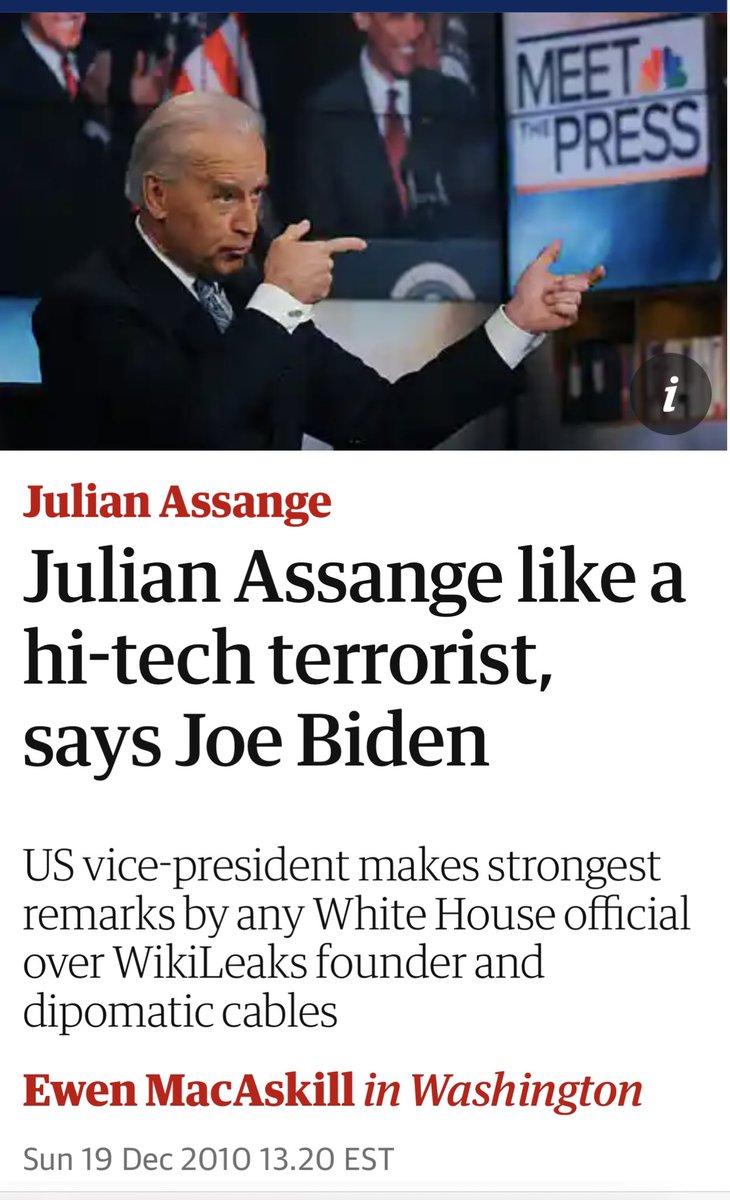
The statement engages in public discourse by discussing the prosecution of Julian Assange, the role of Joe Biden, and the implications for press freedom under the Espionage Act. The tone is skeptical and critical, questioning the credit given to Biden for Assange's release and highlighting the broader implications for journalists and publishers.
- The statement does not directly cause harm but raises concerns about the potential harm to press freedom.Principle 1:I will strive to do no harm with my words and actions.
- The statement respects privacy and dignity, focusing on public figures and their actions rather than personal attacks. [+1]Principle 2:I will respect the privacy and dignity of others and will not engage in cyberbullying, harassment, or hate speech.
- The statement promotes understanding of the legal and political context surrounding Assange's case, though it is critical in nature. [+1]Principle 3:I will use my words and actions to promote understanding, empathy, and compassion.
- The statement engages in constructive criticism of Biden's role and the broader implications for press freedom, avoiding personal attacks. [+1]Principle 4:I will engage in constructive criticism and dialogue with those in disagreement and will not engage in personal attacks or ad hominem arguments.
- The statement uses its platform to discuss significant issues related to press freedom and government accountability. [+1]Principle 6:I will use my influence for the betterment of society.
- The statement upholds free speech principles by engaging in a critical discussion about public figures and policies. [+1]Principle 7:I will uphold the principles of free speech and use my platform responsibly and with integrity.