
Reposted by Jake Tapper
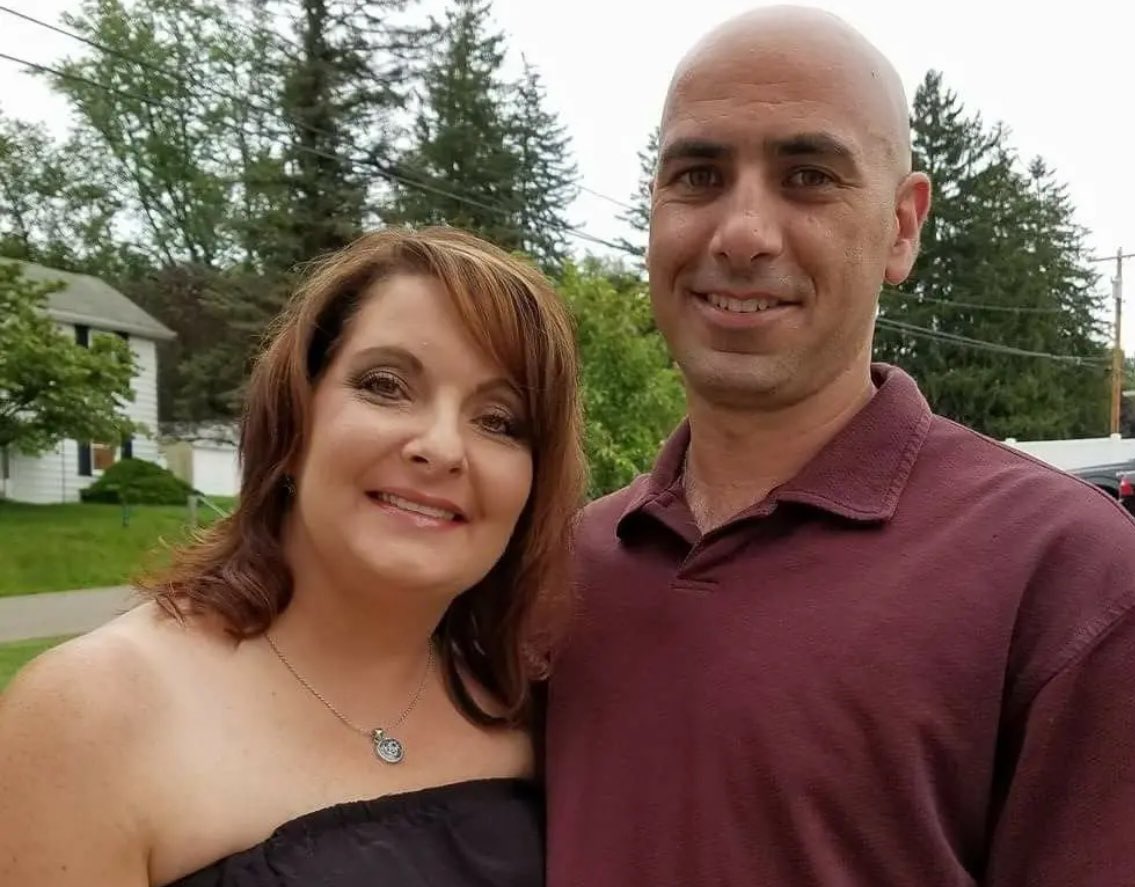

The statement involves a sensitive and tragic event, the murder of an individual at a political rally, and includes a personal response from the victim's spouse. The tone appears to be calm and non-accusatory, aiming to clarify that the spouse does not hold a political figure responsible for the incident. This statement contributes to public discourse by addressing a public concern related to political violence and personal accountability.
- The statement strives to do no harm by explicitly stating that the speaker does not blame a political figure for the tragedy, which helps to prevent further polarization and conflict. [+2]Principle 1:I will strive to do no harm with my words and actions.
- The statement respects the privacy and dignity of others by focusing on the speaker's personal feelings and not engaging in accusations or inflammatory language. [+2]Principle 2:I will respect the privacy and dignity of others and will not engage in cyberbullying, harassment, or hate speech.
- The statement promotes understanding and empathy by sharing a personal perspective that seeks to de-escalate potential blame and conflict. [+2]Principle 3:I will use my words and actions to promote understanding, empathy, and compassion.
- The statement engages in constructive dialogue by addressing a potential point of contention (blame towards a political figure) in a calm and reasoned manner, avoiding personal attacks. [+2]Principle 4:I will engage in constructive criticism and dialogue with those in disagreement and will not engage in personal attacks or ad hominem arguments.