
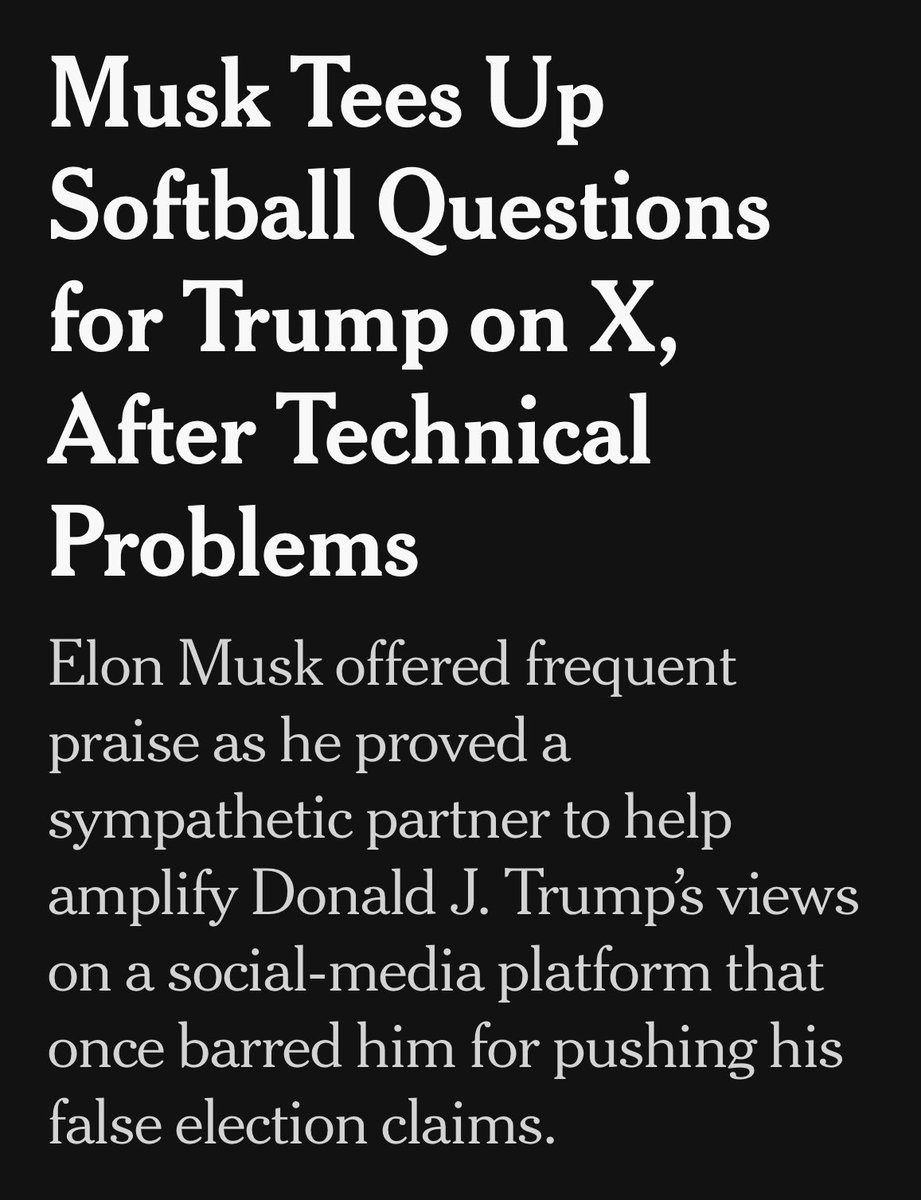

The statement and the conversation it refers to engage in public discourse by discussing the cognitive abilities of a public figure, Donald J. Trump, and the media's portrayal of his actions. The tone is critical and somewhat accusatory, questioning the media's handling of the situation and implying a bias or oversight. The statement touches on several principles, including the potential for harm, respect for dignity, and the promotion of understanding.
- The statement could potentially cause harm by making unverified claims about Trump's cognitive abilities, which could contribute to misinformation or stigmatization. [-2]Principle 1:I will strive to do no harm with my words and actions.
- The statement does not respect the privacy and dignity of Trump, as it publicly questions his cognitive health without substantial evidence. [-2]Principle 2:I will respect the privacy and dignity of others and will not engage in cyberbullying, harassment, or hate speech.
- The statement does not promote understanding, empathy, or compassion, as it is accusatory and lacks a constructive approach to the issue. [-2]Principle 3:I will use my words and actions to promote understanding, empathy, and compassion.
- The statement engages in criticism but does not do so constructively. It could be seen as a personal attack rather than a reasoned argument. [-1]Principle 4:I will engage in constructive criticism and dialogue with those in disagreement and will not engage in personal attacks or ad hominem arguments.