
Reposted by Dr. Jill Stein🌻
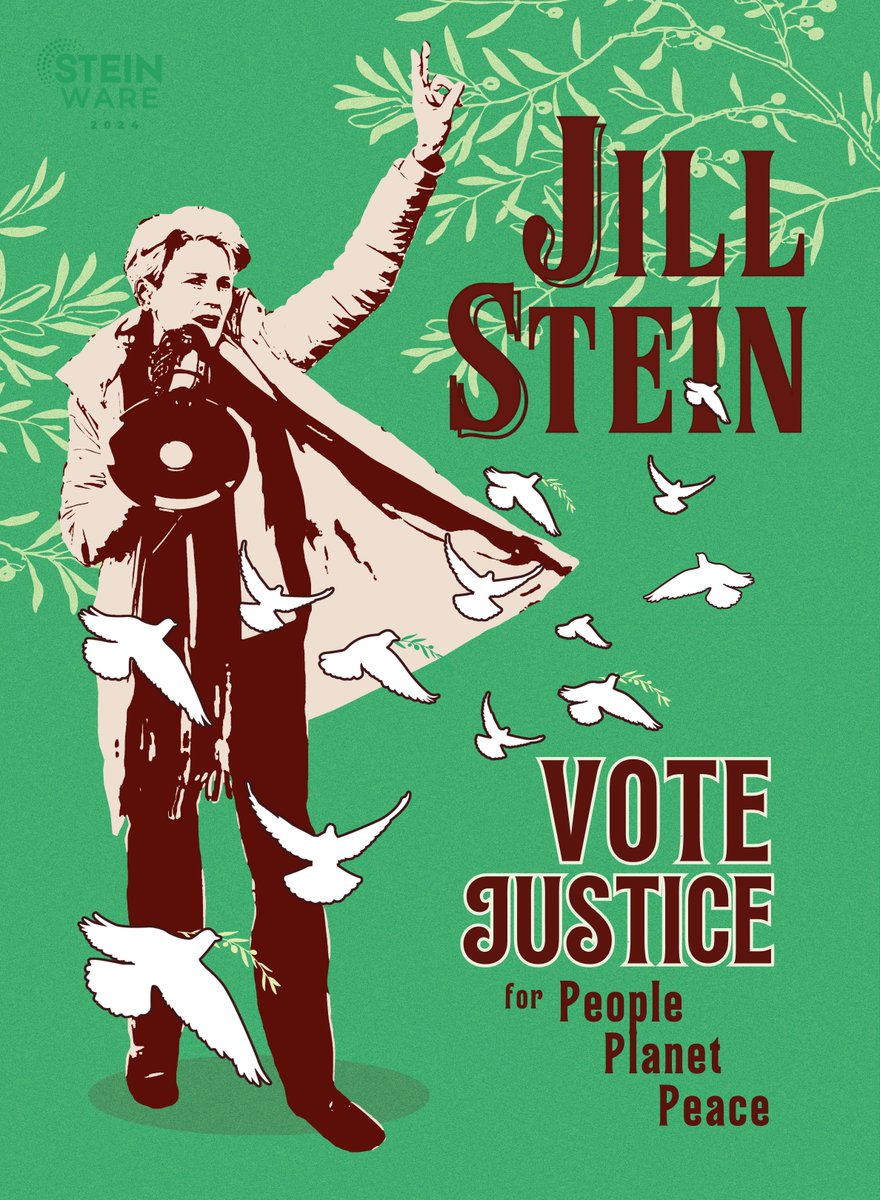
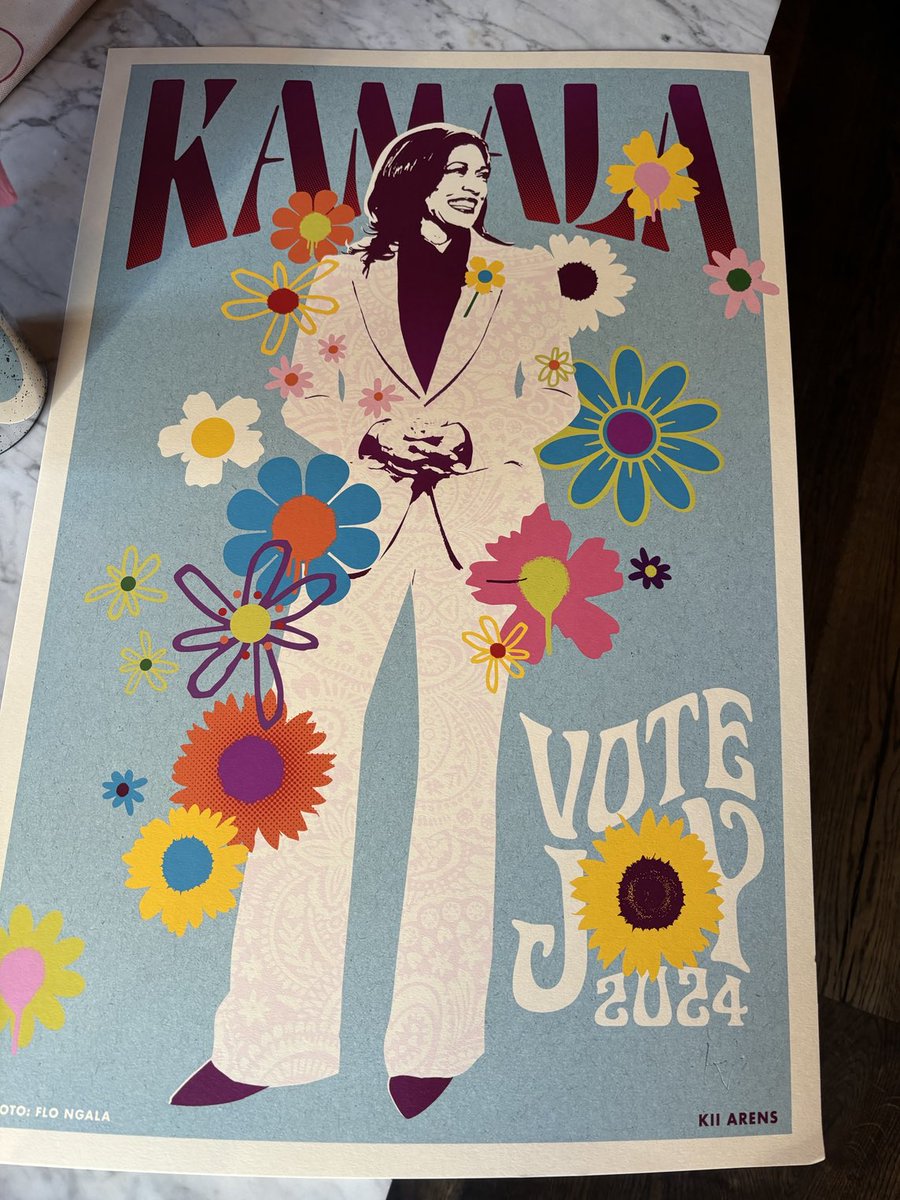

The statement 'Joy is not a policy. Demand justice.' along with the images provided constitutes public discourse as it engages with political messaging and public issues. The statement contrasts two political campaign slogans, emphasizing the importance of justice over joy in policy-making.
- The statement does not directly cause harm but implies a critique of a political stance, which is a common aspect of political discourse. It maintains a focus on policy rather than personal attacks.Principle 1:I will strive to do no harm with my words and actions.
- The statement promotes a call for justice, which aligns with promoting understanding and empathy towards societal issues. However, it could be seen as dismissive of the positive aspects of the opposing campaign's message. [+1]Principle 3:I will use my words and actions to promote understanding, empathy, and compassion.
- The statement engages in constructive criticism by focusing on the substance of policy rather than personal attacks. It encourages dialogue on the importance of justice in policy-making. [+1]Principle 4:I will engage in constructive criticism and dialogue with those in disagreement and will not engage in personal attacks or ad hominem arguments.
- The statement uses its platform to advocate for societal betterment by emphasizing the need for justice in political policies. [+1]Principle 6:I will use my influence for the betterment of society.