

In reply to:
Evan Williams
@EvanInTech
·
494d
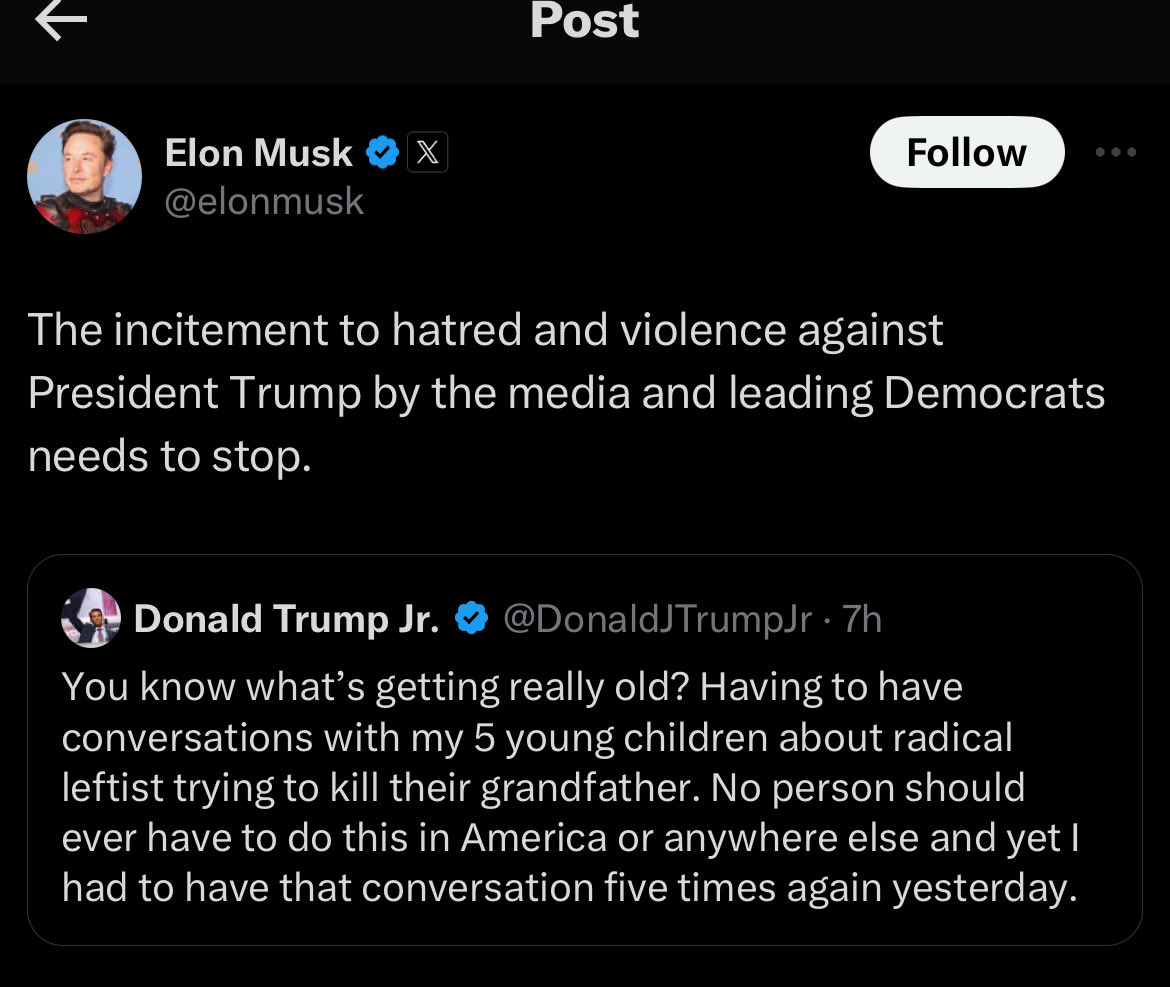
The statement constitutes public discourse as it engages in a debate about the interpretation of a public figure's tweet and the broader implications of such statements. The tone is confrontational and sets a condition for continued engagement, emphasizing the need for substantive arguments.
- The statement does not directly cause harm but sets a confrontational tone that could escalate tensions. This partially aligns with the principle of striving to do no harm.Principle 1:I will strive to do no harm with my words and actions.
- The statement respects the privacy of others but could be seen as dismissive, which might not fully uphold the dignity of the other party. This partially aligns with the principle of respecting privacy and dignity.Principle 2:I will respect the privacy and dignity of others and will not engage in cyberbullying, harassment, or hate speech.
- The statement does not promote understanding, empathy, or compassion. Instead, it sets a condition for engagement that could be seen as dismissive. This violates the principle of promoting understanding and empathy. [-1]Principle 3:I will use my words and actions to promote understanding, empathy, and compassion.
- The statement engages in dialogue but does so in a confrontational manner, which could be seen as a personal attack. This partially aligns with the principle of engaging in constructive criticism and dialogue. [-1]Principle 4:I will engage in constructive criticism and dialogue with those in disagreement and will not engage in personal attacks or ad hominem arguments.