
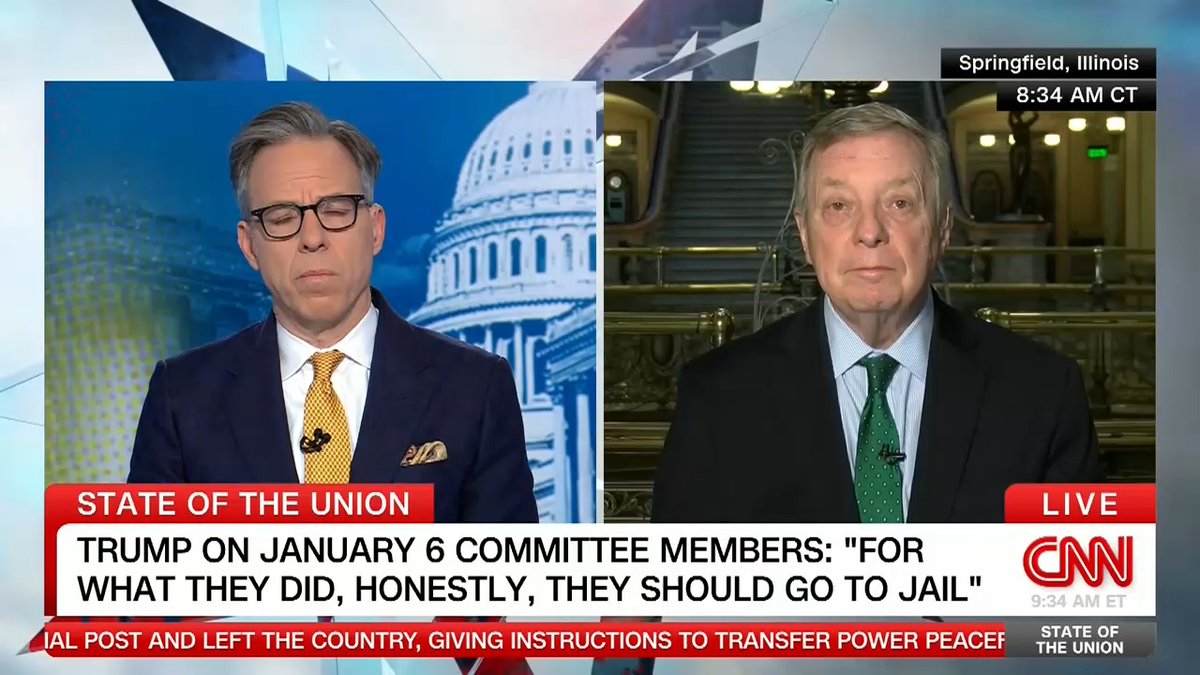

The statement refers to a political issue involving a public figure, which could be considered public discourse. It discusses a controversial topic related to the actions of a political leader and their family, which is a matter of public interest.
- The statement does not directly cause harm but could be seen as controversial depending on the context and public perception of the pardon.Principle 1:I will strive to do no harm with my words and actions.
- The statement respects privacy and dignity by not engaging in cyberbullying or hate speech, though it touches on a sensitive family matter.Principle 2:I will respect the privacy and dignity of others and will not engage in cyberbullying, harassment, or hate speech.
- The statement does not actively promote understanding, empathy, or compassion, as it presents a defense without further context or dialogue. [-1]Principle 3:I will use my words and actions to promote understanding, empathy, and compassion.
- The statement does not engage in personal attacks or ad hominem arguments, but it lacks constructive criticism or dialogue.Principle 4:I will engage in constructive criticism and dialogue with those in disagreement and will not engage in personal attacks or ad hominem arguments.
- There is no acknowledgment or correction of mistakes in the statement. [-1]Principle 5:I will acknowledge and correct my mistakes.
- The statement uses influence to defend a political action, but it is unclear if it is for the betterment of society.Principle 6:I will use my influence for the betterment of society.
- The statement upholds free speech but the responsibility and integrity of the platform are questionable due to the lack of context and potential bias.Principle 7:I will uphold the principles of free speech and use my platform responsibly and with integrity.