

In reply to:
Michael Shellenberger
@shellenberger
·
12d
Michael Shellenberger
@shellenberger
·
12d
Michael Shellenberger
@shellenberger
·
12d
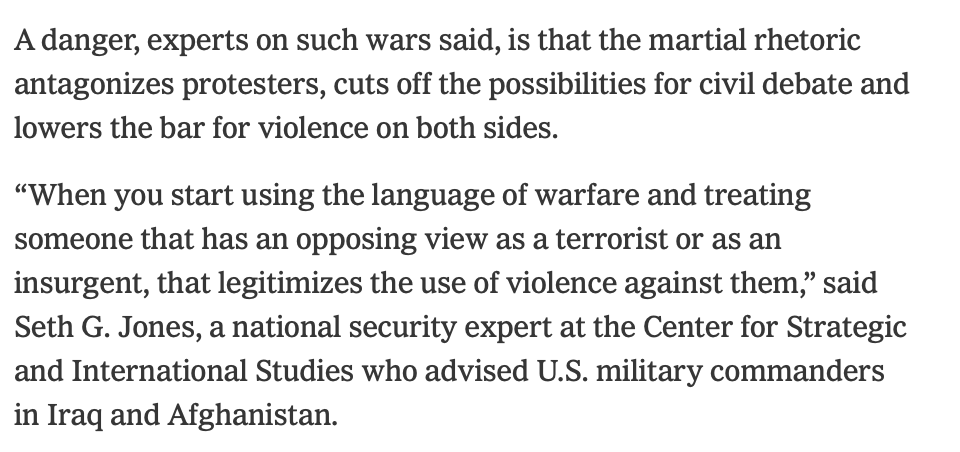
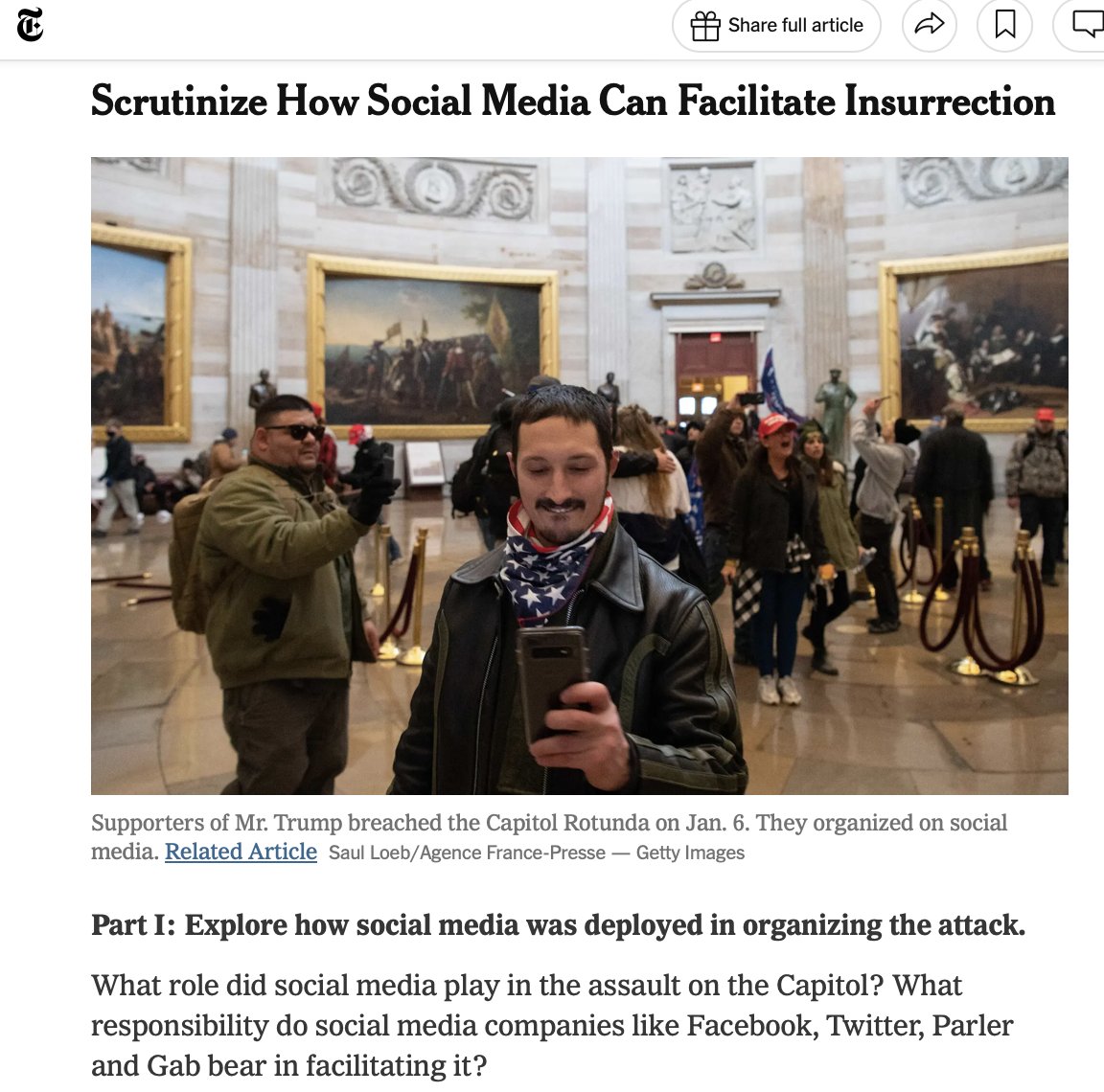
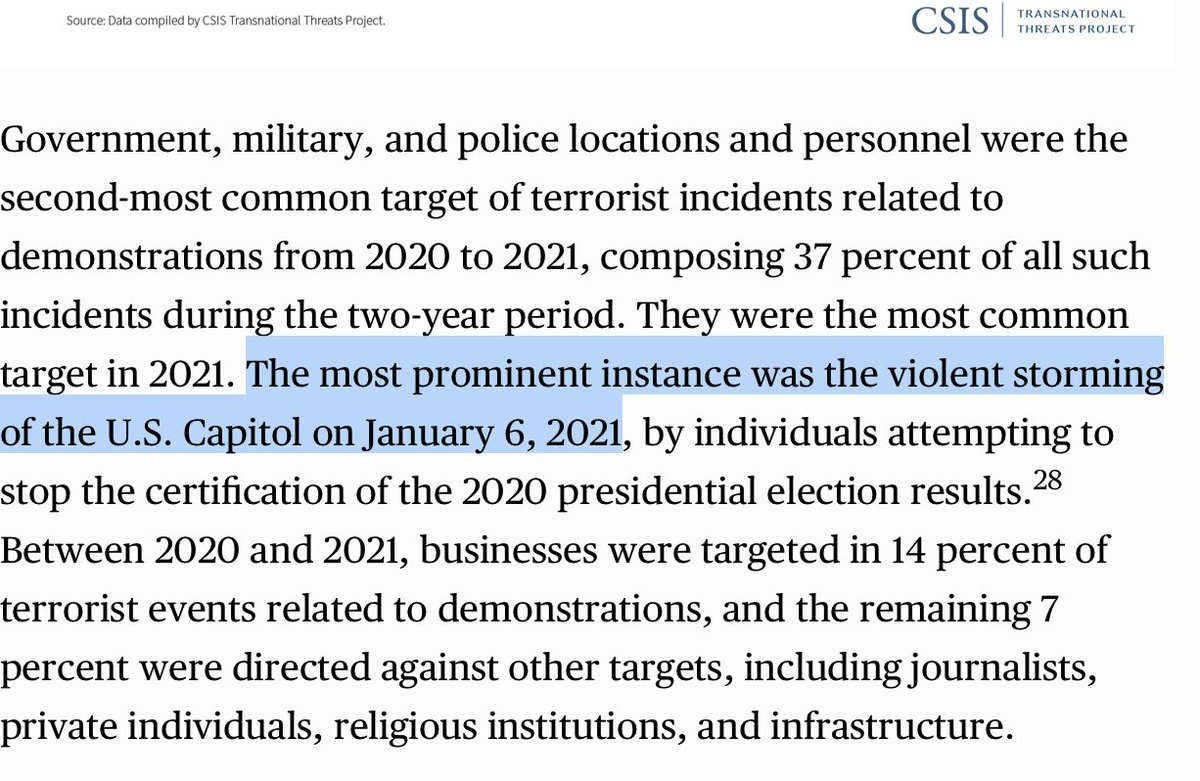
The statement critiques the New York Times' portrayal of the January 6 events and its stance on social media's role, suggesting a bias in labeling and a call for censorship. It engages in public discourse by addressing media influence, free speech, and government intervention.
- The statement implies harm by accusing the New York Times of promoting censorship, which could be seen as harmful to free discourse. [-1]Principle 1:I will strive to do no harm with my words and actions.
- It challenges the integrity of the New York Times, potentially undermining its dignity, but does not engage in direct harassment.Principle 2:I will respect the privacy and dignity of others and will not engage in cyberbullying, harassment, or hate speech.
- The statement critiques the New York Times' actions but does not engage in personal attacks, focusing on institutional behavior. [+1]Principle 4:I will engage in constructive criticism and dialogue with those in disagreement and will not engage in personal attacks or ad hominem arguments.
- It uses its platform to question media practices, aiming to influence public perception of media bias and government censorship. [+1]Principle 6:I will use my influence for the betterment of society.
- The statement upholds free speech by criticizing perceived censorship, but its accusatory tone may not fully align with responsible discourse.Principle 7:I will uphold the principles of free speech and use my platform responsibly and with integrity.