

In reply to:
Francisco Gomez
@fgomez_ai
·
610d
Gary Marcus
@GaryMarcus
·
610d
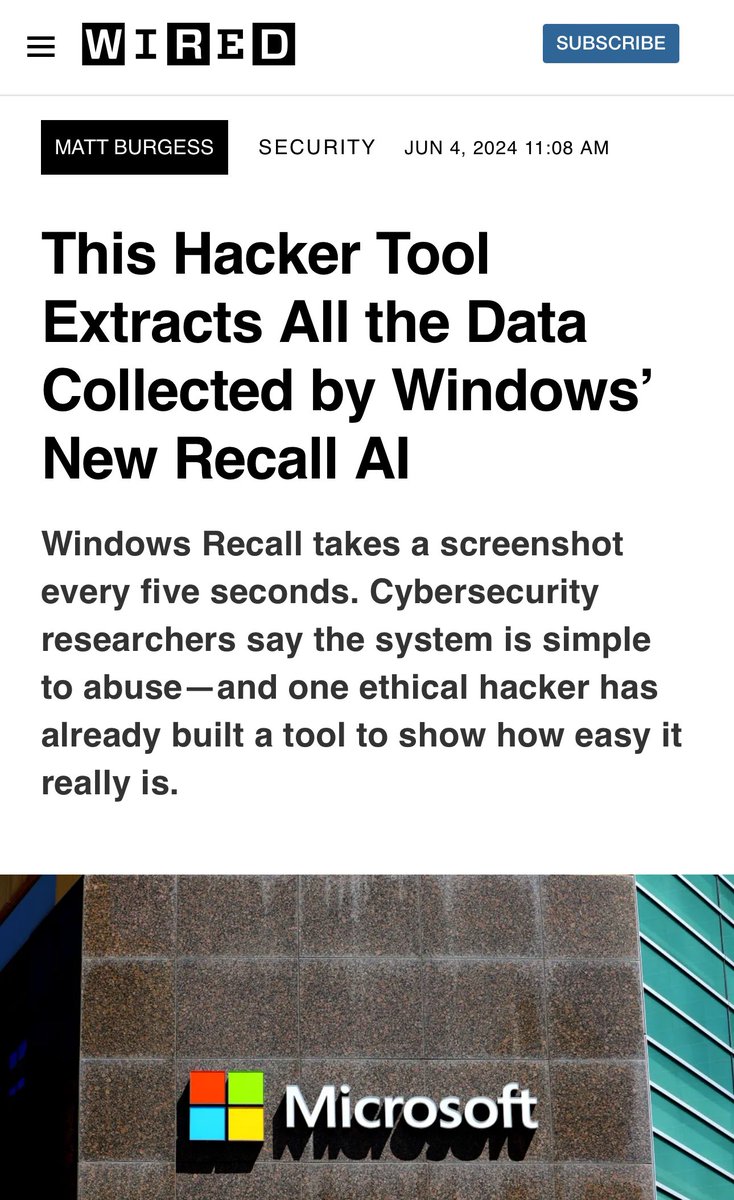
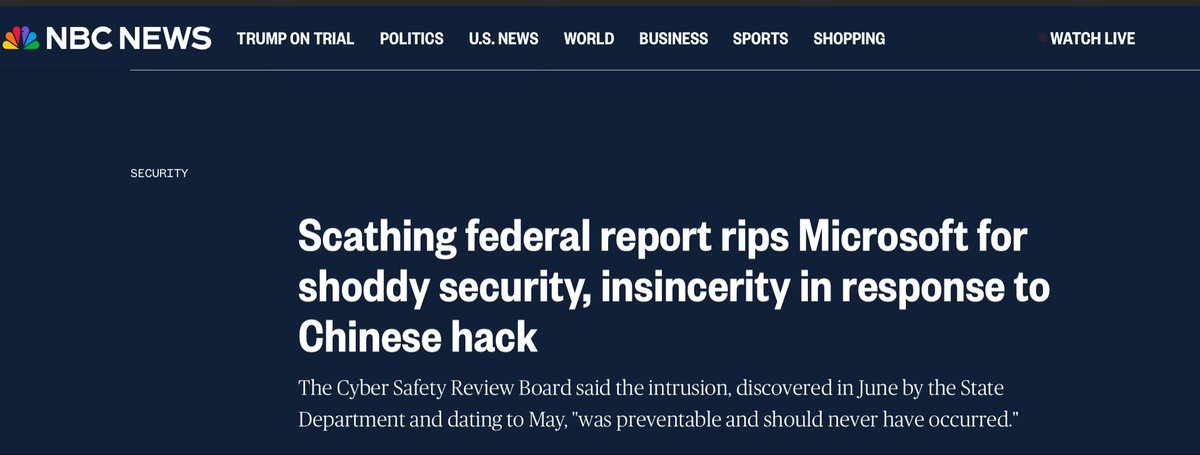
The statement and the conversation it is part of engage in public discourse by discussing the security implications of Microsoft's AI Recall feature. The conversation highlights concerns about data privacy, cybersecurity, and corporate responsibility, which are significant public issues.
- The statement and the conversation aim to raise awareness about potential security flaws in Microsoft's AI Recall feature, which could be seen as striving to do no harm by informing the public about possible risks. [+2]Principle 1:I will strive to do no harm with my words and actions.
- The conversation respects the privacy and dignity of others by focusing on the security issues of a technology rather than attacking individuals. However, it does criticize Microsoft's handling of security, which is a legitimate public concern. [+1]Principle 2:I will respect the privacy and dignity of others and will not engage in cyberbullying, harassment, or hate speech.
- The conversation promotes understanding and empathy by discussing the potential risks and implications of the AI Recall feature, encouraging the public to consider the importance of data security. [+2]Principle 3:I will use my words and actions to promote understanding, empathy, and compassion.
- The conversation engages in constructive criticism of Microsoft's security practices without resorting to personal attacks or ad hominem arguments. It focuses on the technical and ethical aspects of the issue. [+2]Principle 4:I will engage in constructive criticism and dialogue with those in disagreement and will not engage in personal attacks or ad hominem arguments.
- By discussing the potential risks and encouraging scrutiny of Microsoft's practices, the conversation uses its influence to advocate for better cybersecurity measures and corporate responsibility. [+2]Principle 6:I will use my influence for the betterment of society.