

In reply to:
-
@SimplyObjective
·
518d
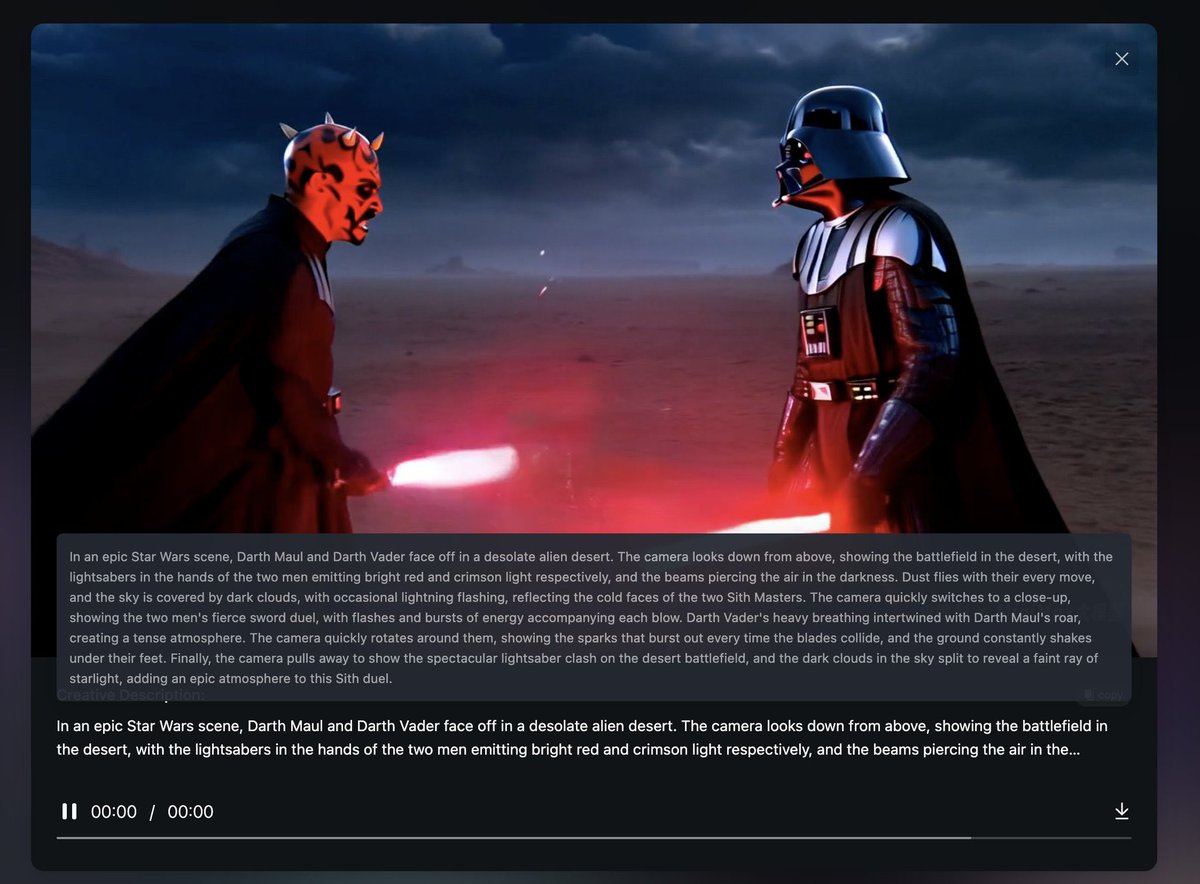
The statement and the preceding conversation constitute public discourse as they engage in a substantive discussion about the capabilities and limitations of AI-generated content, specifically in the context of storytelling and video creation. The conversation critiques the quality and originality of AI-generated art and its adherence to user prompts, which are relevant public issues in the field of AI and creative industries.
- The statement and the preceding conversation do not appear to cause harm. They focus on critiquing the technology rather than individuals, adhering to the principle of striving to do no harm with words and actions. [+1]Principle 1:I will strive to do no harm with my words and actions.
- The conversation respects the privacy and dignity of others, as it does not engage in cyberbullying, harassment, or hate speech. It critiques the technology and its outputs rather than attacking individuals. [+1]Principle 2:I will respect the privacy and dignity of others and will not engage in cyberbullying, harassment, or hate speech.
- The discussion promotes understanding and empathy by highlighting the limitations of current AI technology and encouraging a deeper examination of its capabilities and ethical implications. [+1]Principle 3:I will use my words and actions to promote understanding, empathy, and compassion.
- The conversation engages in constructive criticism of AI-generated content, focusing on its shortcomings and areas for improvement without resorting to personal attacks or ad hominem arguments. [+1]Principle 4:I will engage in constructive criticism and dialogue with those in disagreement and will not engage in personal attacks or ad hominem arguments.
- The participants use their influence to discuss important issues related to AI and its impact on creative industries, contributing to the betterment of society by fostering informed dialogue. [+1]Principle 6:I will use my influence for the betterment of society.