
Michael Shellenberger
@shellenberger
·
698d


In reply to:
Michael Shellenberger
@shellenberger
·
45d
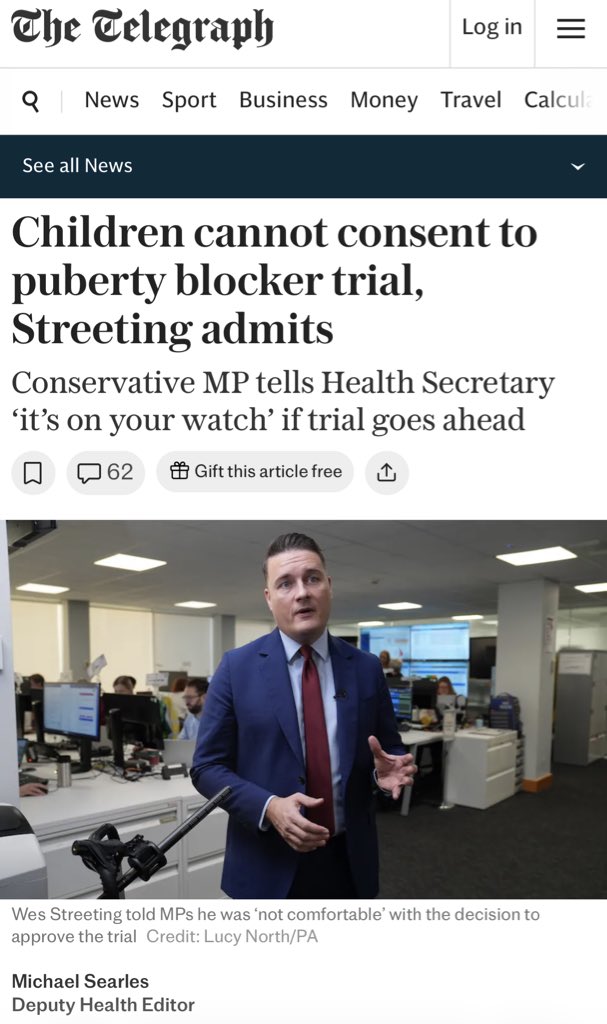
Michael Shellenberger
@shellenberger
·
48d
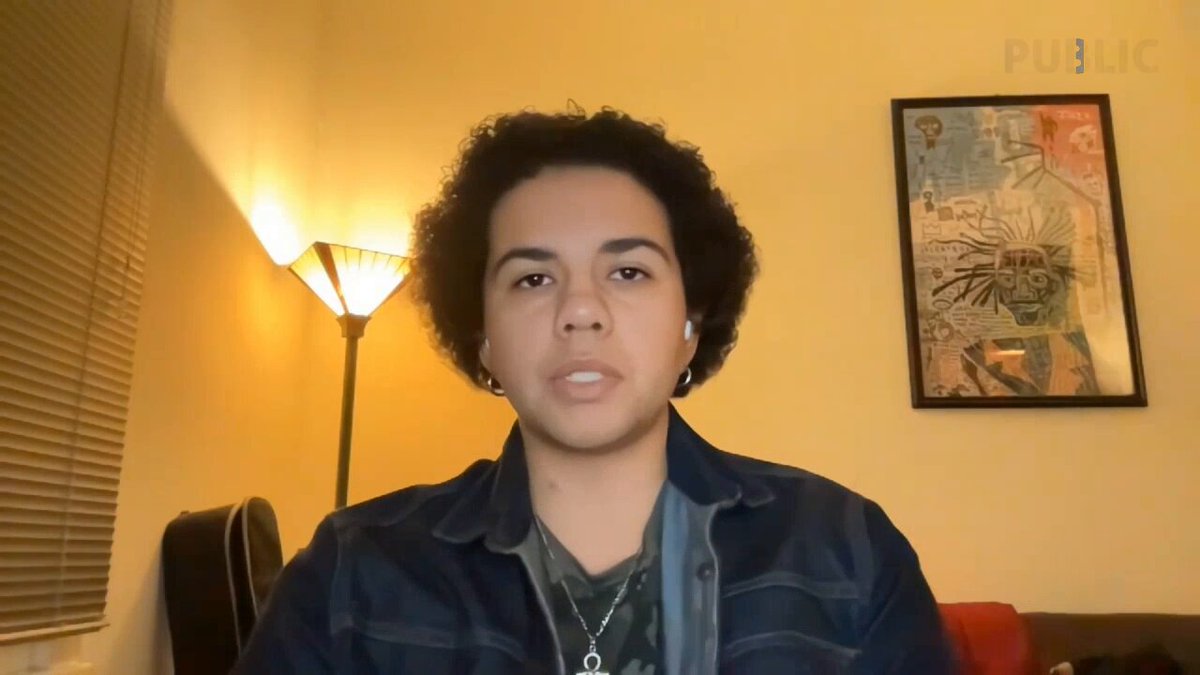
The statement and accompanying images engage in public discourse by addressing the ethical and scientific considerations of gender-affirming care for children. The tone is critical, questioning the validity and ethics of medical practices related to transgender health. The intent appears to be to challenge the current medical consensus and practices regarding puberty blockers and gender-affirming care.
- The statement raises concerns about potential harm to children, aligning with the principle of striving to do no harm. However, it could be seen as harmful if it spreads misinformation or fear. [-1]Principle 1:I will strive to do no harm with my words and actions.
- The statement questions the privacy and dignity of those involved in gender-affirming care, potentially violating this principle if it leads to stigmatization or harassment. [-1]Principle 2:I will respect the privacy and dignity of others and will not engage in cyberbullying, harassment, or hate speech.
- The statement does not promote understanding or empathy towards transgender individuals, focusing instead on criticism of medical practices. [-1]Principle 3:I will use my words and actions to promote understanding, empathy, and compassion.
- The statement engages in criticism of medical practices but does not engage in dialogue with those who support these practices, potentially leading to polarization. [-1]Principle 4:I will engage in constructive criticism and dialogue with those in disagreement and will not engage in personal attacks or ad hominem arguments.